Pure Coke
Types of Cocaine
Jan
What Does Cocaine Look Like?
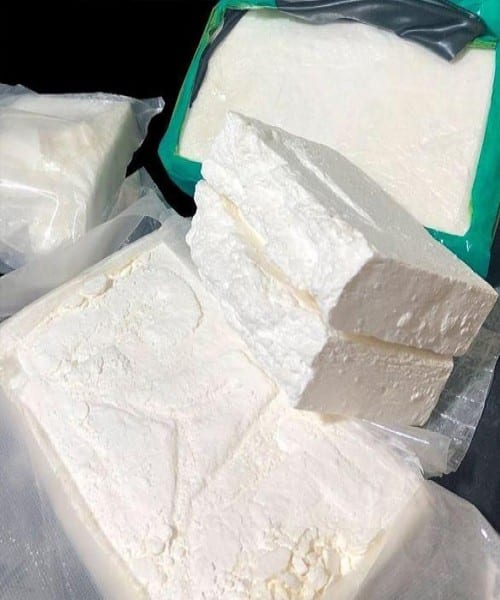
Cocaine is a highly addictive stimulant that appears in several different forms. Most commonly, it is found as a white powder, often referred to on the street as a “gram” or an “eight ball.” It can also appear in rock or crystal form, depending on how it is processed.
Cocaine usually has a strong chemical odor and also ranges in color from bright white to yellowish white. It has a bitter taste and also often causes a temporary numbing sensation. While the effects can also feel intense, they are typically short-lived.
Identifying cocaine by appearance alone is difficult. You should never attempt to test a substance by tasting it or rubbing it on your gums, as this can also be dangerous.
How to Identify Cocaine Safely
The safest and most reliable way to identify cocaine is by using:
-
Reagent testing kits
-
Drug test strips
-
Laboratory analysis
These testing methods are inexpensive, widely available, and far more accurate than visual inspection.
Brown Cocaine
Producers create brown cocaine by mixing cocaine with other substances to increase its weight or alter its effects. They make it less often because most additives are chosen to match cocaine’s usual white color.
Crack Cocaine
Crack cocaine is a powerful and highly addictive form of cocaine. It typically appears as white or off-white rocks resembling small stones or soap chips.
Crack cocaine produces a rapid and intense high and is often:
-
Smoked
-
Injected
-
Snorted
Although crack cocaine may be higher in purity than powder cocaine, it is still frequently mixed with other substances.
Health Risks of Crack Cocaine
Crack cocaine use can lead to serious consequences, including:
Physical effects
-
Increased heart rate and also blood pressure
-
Chest pain
-
Nausea and convulsions
-
Higher risk of stroke or heart attack
Psychological effects
-
Anxiety and paranoia
-
Mood swings
-
Confusion and depression
-
Irritability and restlessness
Injecting crack cocaine also increases the risk of HIV, hepatitis B and also C, and tuberculosis, as well as financial and also legal problems. These risks also apply to powder cocaine.
Cocaine Hydrochloride
Cocaine hydrochloride is the chemical name for powder cocaine. When a substance contains only cocaine hydrochloride, experts consider it 100% pure cocaine, although street‑level purity is rare.
Fish Scale Cocaine
Fish scale cocaine is a highly purified form of cocaine that gets its name from its shiny, scale-like appearance. It is usually sold as also a powder but can also appear as crystals or rocks.
This type of cocaine typically contains 75–90% pure cocaine, making it significantly stronger than most street cocaine.
Because of its high potency, fish scale cocaine carries:
-
A higher risk of overdose
-
Increased addiction potential
-
Greater long-term health risks
Pink Cocaine (2C-B)
Despite its name, pink cocaine is not cocaine. Also known as 2C-B, it is a synthetic hallucinogenic drug first created in 1974.futhermore
2C-B is most often taken as a pill or capsule, though it may also appear as a powder. Its effects can include:
-
Euphoria
-
Visual and auditory hallucinations
-
Increased energy
-
Heightened creativity
Side effects may include nausea, panic attacks, increased heart rate, paranoia, and also addiction. Use of 2C-B carries serious risks and is illegal in many countries.
Pure Cocaine
Pure cocaine appears as a white crystalline powder with a bitter taste and also a strong chemical smell. The processing method determines whether the texture is very fine or grainy.
Synthetic Cocaine
Synthetic cocaine, often referred to as fake cocaine or synthetic cathinones, is manufactured in laboratories to mimic cocaine’s stimulant effects.
Sellers commonly offer these substances as white powders or crystals and often label them as ‘bath salts.’ Mephedrone is one of the most well-known examples.
Signs of Synthetic Cocaine
-
Strong, unpleasant chemical odor
-
Different texture than natural cocaine
-
Unpredictable and dangerous effects
Synthetic cocaine can cause severe side effects and poses significant health risks.
Getting Help With Residential Drug Rehab
If you or someone you care about is struggling with cocaine addiction, residential drug rehab can also be life changing.
Residential treatment programs provide:
-
24/7 medical supervision
-
Psychological counseling
-
Individual and group therapy
-
Relapse prevention training
-
Holistic recovery support
At Well brook Recovery, each individual receives a personalized treatment plan in a safe and also supportive environment designed to promote long-term sobriety.
Take the First Step Toward Recovery
For more information about residential treatment and how it can help save your life, contact Wellbrook Recovery today. in addition
